
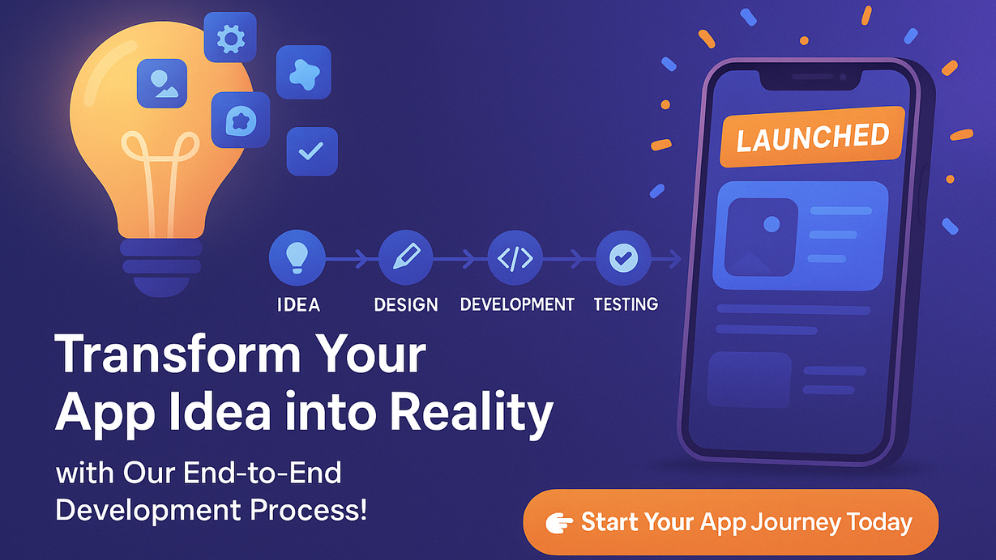
Building a mobile app is exciting, but let’s be honest the process can seem overwhelming if you’re not familiar with how it works. Whether you need an Android app, an iOS app, or a custom mobile app development solution, partnering with the right mobile app development company can simplify the journey and help bring your vision to life.
In this comprehensive guide, we’ll break down the complete mobile app development process from refining your idea to launching your app and beyond so you know exactly what to expect, how to avoid common pitfalls, and how the right app development agency can make all the difference.
Why Choosing the Right Mobile App Development Company Matters
The mobile app market is thriving. Businesses across industries are investing in apps to engage customers, streamline operations, and tap into new revenue streams. However, not all apps succeed in fact, studies show a significant percentage of apps either fail to meet expectations or get lost in app stores.
One key factor behind successful apps is partnering with an experienced, reliable app development company that understands both the technical and business sides of building mobile apps.
A trusted mobile app development agency offers:
- Platform Expertise: Specialists in Android, iOS, or cross-platform development
- Custom Solutions: Tailored mobile app development services for unique business needs
- Future-Ready Development: Leveraging the latest tools and mobile app development technologies for scalability and security
- End-to-End Support: From ideation to post-launch maintenance
- Full-Cycle Mobile App Development: From concept validation to scaling for growth
Choosing the right partner ensures your app isn’t just another download it becomes a valuable asset for your business.
Step 1: Ideation Defining Your App’s Purpose and Business Goals
Every great app starts with a clear purpose. Before you even think about development, take the time to:
- Identify the Problem: What pain point or need does your app solve?
- Understand Your Audience: Are your users on Android, iOS, or both? What are their expectations?
- Set Business Objectives: Are you building for brand awareness, revenue generation, or operational efficiency?
- Outline Key Features: What core functionalities will make your app competitive?
- Consider Monetization: Will your app be free, freemium, or paid? Do you plan to include in-app purchases or ads?
- Envision Custom Mobile App Development Solutions: Think about unique features that set your app apart
Experienced mobile app development companies often offer ideation workshops or discovery sessions to help refine your concept and align it with market needs.
Step 2: Market Research, Competitor Analysis, and Feasibility Study
Understanding the market landscape is crucial:
- Analyze Competitors: Review apps similar to yours what do they do well, and where do they fall short?
- Identify Market Gaps: Are there unmet needs or underserved user segments your app can target?
- Gather User Insights: Conduct surveys or focus groups to validate your idea
- Technical Feasibility: Can your concept be developed with current technologies and within budget?
- Learn from Top Mobile App Development Companies: Study how leading apps were built for success
Partnering with an experienced app development agency helps you navigate this phase with structured research and actionable insights.
Step 3: How to Choose the Right Mobile App Development Company
Choosing a mobile app development company isn’t just about technical skills it’s about finding a team that understands your business and shares your vision.
Key factors to consider:
- Proven Track Record: Look for experience in Android app development and iOS app development across industries
- Custom Mobile App Development Expertise: Avoid one-size-fits-all approaches
- Full-Cycle Capabilities: From strategy to design, development, testing, and maintenance
- Agile Methodology: Flexibility to adapt to evolving project requirements
- Strong Communication: Regular updates, transparency, and collaborative approach
- Portfolio of Successful App Development Projects: Real-world examples demonstrating results
Don’t hesitate to ask for case studies, client references, and examples of apps they’ve built.
Step 4: Step-by-Step Mobile App Development Process for Businesses
A visually appealing, user-friendly interface is critical for app success. Great design improves user retention, engagement, and app store ratings.
The design phase typically includes:
- Wireframing: Blueprint of the app’s structure and user flow
- Interactive Prototypes: Early-stage clickable models for feedback and validation
- UI/UX Design: Visually stunning, intuitive interfaces optimized for Android and iOS platforms
- Brand Integration: Consistent visual identity aligned with your business
- Accessibility: Designing for inclusivity and diverse user needs
The best mobile app development companies invest time in design, ensuring your app looks great and functions seamlessly.
Step 5: Technical Planning and Scalable Technology Stack Selection
Behind every successful app is a solid technical foundation. Your app development agency will help you select the right technology stack based on:
- Native vs Cross-Platform Development: Native apps offer optimal performance; cross-platform saves time and budget
- Backend Infrastructure: Servers, databases, APIs, and cloud services
- Third-Party Integrations: Payment gateways, social logins, maps, etc.
- Security Measures: Data encryption, secure authentication, and compliance with privacy regulations
- Scalability: Building your app with the future in mind ready to support growth
This step ensures your app is scalable, secure, and built to perform under real-world conditions.
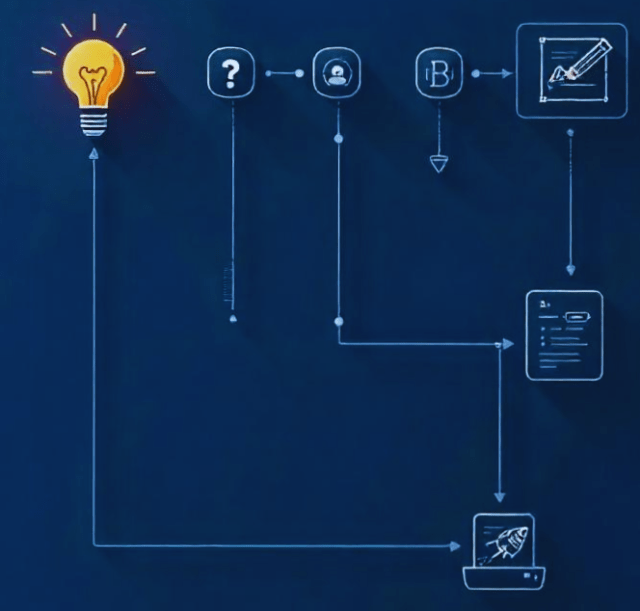
Step 6: Full-Cycle Mobile App Development From Code to Product
Development brings your app to life. Your app development company will:
- Frontend Development: Building the app’s user interface for Android and iOS
- Backend Development: Creating server-side functionality and integrations
- Custom Features: Tailored mobile app development solutions to meet your unique requirements
- Continuous Testing: Identifying and fixing issues early
- Ongoing Collaboration: Ensuring your feedback is integrated at every stage
Agile development allows for iterative releases, giving you visibility and control throughout the process.
Step 7: Comprehensive Testing and Quality Assurance (QA)
Rigorous testing ensures your app is reliable, secure, and user-friendly:
- Functional Testing: Verifying features and workflows
- Performance Testing: Ensuring speed, stability, and scalability
- Compatibility Testing: Across devices, screen sizes, and operating systems
- Security Testing: Identifying vulnerabilities and protecting user data
- User Acceptance Testing: Real-world feedback to refine the app
A trusted mobile app development agency prioritizes QA to deliver a polished, high-performing product.
Step 8: Launch Preparation and App Store Optimization for Maximum Visibility
Launching your app involves:
- App Store Optimization (ASO): Compelling titles, descriptions, keywords, and visuals
- Compliance Checks: Meeting Google Play and Apple App Store requirements
- Beta Testing: Gathering user feedback to fine-tune before full release
- Marketing Support: Pre-launch promotion, press releases, and outreach
- Go-Live: Publishing your app and monitoring performance
- Partnering with a Trusted App Development Agency: Ensuring a smooth, successful launch
An experienced app development company handles these details, maximizing your app’s visibility and downloads.
Step 9: Post-Launch Support, Maintenance, and Continuous Improvement
Success doesn’t stop at launch. Continuous support keeps your app competitive:
- Bug Fixes: Prompt resolution of technical issues
- Performance Optimization: Improving speed, stability, and responsiveness
- Feature Enhancements: Adding new functionality based on user needs
- OS Compatibility: Updating for the latest Android and iOS versions
- Analytics and Insights: Monitoring user behavior to inform improvements
- Custom Mobile App Development Services for Long-Term Growth: Ensuring your app evolves with your business
The best app development agencies offer long-term partnerships for sustained success.
Step 10: Scaling Your Mobile App with Custom Solutions for Business Growth
As your user base grows, scalability becomes crucial:
- Backend Optimization: Infrastructure to handle increased traffic
- Cloud Integration: Leveraging cloud services for flexibility
- Localization: Adapting your app for new markets and languages
- Cross-Platform Expansion: Building for both Android and iOS App development if starting with one platform
- Monetization Optimization: Refining revenue models for maximum ROI
- Ongoing Partnership with a Full-Service App Development Agency: Supporting your business at every stage
A future-ready mobile app development company ensures your app evolves alongside your business.
Conclusion: Empower Your Business with Expert, Custom Mobile App Development Solutions
The mobile app development process is complex, but with the right partner, it becomes an exciting, rewarding journey. From ideation to launch and beyond, an experienced app development agency brings expertise, structure, and innovation to your project.
Whether you’re seeking an Android app development company, iOS specialists, or full-cycle custom mobile app development services, choosing the right team is essential to transforming your idea into a high-performing, scalable app.
Your app deserves more than generic solutions it deserves thoughtful design, expert development, and ongoing support.
Ready to build an app that drives real results? Partner with a trusted mobile app development company and let’s create it together.
Extended FAQs: Your Mobile App Development Process Questions Answered
Mobile app development typically involves six key steps: understanding the idea and gathering requirements, designing an intuitive UI/UX, developing the app using suitable technologies, testing for quality and performance, launching the app on app stores, and providing ongoing maintenance and updates. Partnering with an experienced development company ensures a smooth process and a successful product.
The 7 stages of app development are: idea generation, market research, UI/UX design, app development, testing, deployment to app stores, and ongoing maintenance. Each stage ensures your app is user-friendly, functional, and ready for long-term success.
The five phases of app development are: planning, design, development, testing, and deployment. This structured process ensures your app is well-planned, user-friendly, technically sound, and ready for launch.
Project timelines vary. Simple apps may take 3-4 months, while complex, custom mobile app development projects can span 6-12 months or longer.
Cross-platform solutions (like Flutter or React Native) can reduce costs and timelines but may sacrifice some performance. Your app development company will recommend the best approach based on your needs.
Mobile app development is not easy; it requires technical skills, experience, and careful planning. However, with the right team and tools, the process becomes manageable.
Some agencies specialize in a single platform, while others offer both. Partnering with a full-service app development agency ensures consistency across platforms.
Costs depend on complexity, platforms, features, and design. Basic apps start around $10,000, while complex custom mobile app development services can exceed $100,000.
Custom apps provide scalability, security, and unique features tailored to your business essential for competitive advantage.
Post-launch support includes maintenance, bug fixes, updates for new OS versions, performance monitoring, and future feature development.
You get end-to-end services from idea validation to scaling ensuring consistency, quality, and long-term success.